
 By urbanstimes@gmail.com
If you have received a message containing “WTV” and wondered what it means, the answer is usually simple: WTV meaning “whatever.” It is a casual internet abbreviation commonly used in text messages, online chats, and social media.
However, the meaning can change slightly depending on the conversation. Someone might use WTV to show that they do not have a preference, while another person may use it to sound dismissive, bored, or uninterested. That is why understanding the context is just as important as knowing the definition.
What Does WTV Mean?
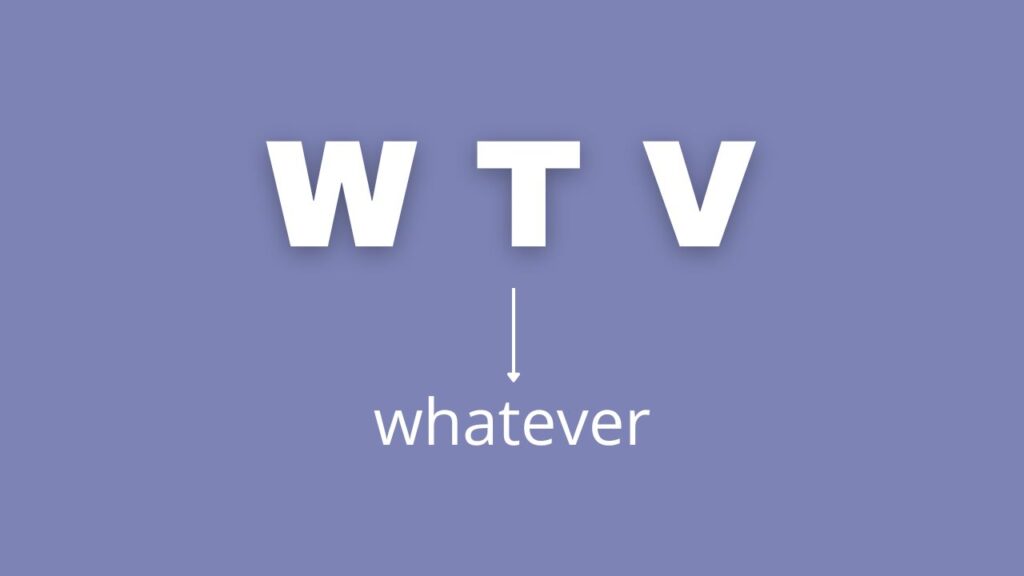
WTV is short for “whatever.”
It is an informal abbreviation created by removing letters from the longer word. People use it because it is quicker to type and fits naturally into fast-moving digital conversations.
For example:
Friend: “Pizza or burgers?”
You: “WTV, you choose.”
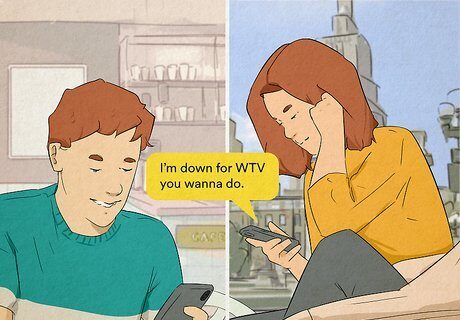
In this situation, WTV means something like “whatever you want” or “I don’t mind.”
The abbreviation is commonly written in several forms:
- WTV
- wtv
- Wtv
The capitalization generally does not change its meaning.
WTV Meaning in Text Messages
The most common WTV meaning in text is “whatever.”
But “whatever” itself can communicate different attitudes. The exact interpretation depends on the surrounding conversation.
WTV Can Mean “I Don’t Mind”
Sometimes WTV is completely neutral.
For example:
Person 1: “Should we watch a movie or a series?”
Person 2: “Wtv, I’m good with either.”
Here, the person is simply saying that they have no strong preference.
WTV Can Mean “I Don’t Care”
WTV can also communicate indifference.
Person 1: “You have to choose where we go.”
Person 2: “Wtv.”
In this case, the response may suggest that the person does not particularly care about the choice.
WTV Can Sound Dismissive
Depending on the situation, WTV can have a more negative tone.
Person 1: “I told you that you were wrong.”
Person 2: “Wtv.”
Here, the abbreviation can sound similar to saying, “Whatever. I don’t want to argue about this.”
That does not necessarily mean the sender is angry, but it can come across as dismissive.
Is WTV Rude?
WTV is not automatically rude. Its tone depends heavily on context, the relationship between the people talking, and the rest of the message.
Dictionary.com describes WTV as a shortened form of “whatever” used in texting and chat to convey ideas such as not caring, boredom, or a lack of enthusiasm.
Consider these two examples:
Friendly or neutral:
“Wtv works for me 😂”
Potentially dismissive:
“Wtv. Do what you want.”
The same abbreviation appears in both messages, but the second one is much more likely to sound irritated or uninterested.
Why Context Matters
Text messages do not include the same vocal cues people use in face-to-face conversations. As a result, a short response such as “wtv” can sometimes be interpreted more negatively than the sender intended.
The relationship between the people also matters. A close friend may send “wtv” without any negative meaning, while the same response from someone during an argument could feel dismissive.
Examples of WTV in Conversations
Here are several practical examples of how people may use the abbreviation.
| Situation | Example | Likely meaning |
|---|---|---|
| Choosing food | “Wtv, you pick.” | I don't mind |
| Making plans | “Wtv time works.” | Any time is fine |
| Argument | “Wtv, believe what you want.” | I don't want to argue |
| Casual conversation | “Wtv 😂” | Whatever / relaxed response |
| Showing frustration | “Wtv. I'm done.” | Dismissal or annoyance |
These examples show why simply translating WTV as “whatever” does not always capture its full conversational meaning.
WTV on Social Media
WTV is also used on social media and online platforms. It can appear in comments, direct messages, captions, group chats, and casual conversations.
Its use is particularly natural in informal digital communication because social media encourages short, quick responses. Sources covering internet slang commonly identify WTV as a shorthand used in texting, chats, and social platforms.
For example:
“Wtv, I’m still posting it 😂”
or:
“Wtv happens, happens.”
On social media, emojis can also influence how a message is interpreted. A laughing emoji can make WTV seem playful, while a period or a blunt follow-up can make it feel more serious.
WTV vs. “Whatever”
The meaning is essentially the same, but the tone and level of formality are different.
Whatever is the complete word and can be used in almost any informal conversation.
WTV is much more casual and is primarily suited to digital communication.
For example:
- Texting a friend: “Wtv 😂”
- Writing a formal email: “Whatever works for you.”
The second version is generally more appropriate in professional communication.
WTV vs. IDC
WTV and IDC can sometimes communicate similar ideas, but they are not identical.
WTV = whatever
IDC = I don’t care
For example:
“WTV, you decide.”
This may mean the person has no preference.
But:
“IDC.”
more directly communicates that the person does not care.
The difference can be subtle, but WTV can sound less direct than IDC depending on the context.
WTV vs. NVM
Another abbreviation that can appear in similar conversations is NVM, meaning “never mind.”
The two expressions have different purposes.
WTV generally responds to a situation, opinion, question, or choice.
NVM usually indicates that the speaker is withdrawing something they were saying or asking.
For example:
“Can you help me with this? NVM, I figured it out.”
That is different from:
“Where should we eat?”
“WTV, you choose.”
Understanding these distinctions can help prevent confusion when reading text slang.
How to Respond When Someone Says WTV
Your response should depend on what the sender appears to mean.
If They Mean “I Don’t Mind”
You can simply make the decision:
“Okay, let’s get pizza.”
If They Seem Annoyed
If WTV appears during an argument, it may be better not to escalate the situation.
You could say:
“Okay, we can talk about it later.”
If You’re Not Sure
Ask for clarification:
“Do you mean you don’t mind, or are you upset?”
This is especially useful when the message is extremely short and there is no obvious context.
Can WTV Be Used in Professional Messages?
Generally, WTV should be avoided in formal or professional communication.
It is internet slang rather than standard business language. Using it with a friend is perfectly natural, but sending “WTV” to a client, teacher, manager, or professional contact could appear too casual or dismissive.
Instead, use clearer phrases such as:
- “Either option works for me.”
- “I don’t have a preference.”
- “Whatever works best for you.”
- “I’m fine with either choice.”
The more formal the situation, the more useful it is to write the complete phrase instead of relying on slang.
Is WTV the Same as “Whatever”?
Yes, in most texting and social-media contexts, WTV is simply a shortened form of “whatever.” Major slang references identify “whatever” as its standard meaning.
The important difference is not the definition but the tone.
“Whatever” can be neutral, playful, irritated, or dismissive. WTV can carry those same tones, but because it is shorter, it can sometimes appear more abrupt.
Does Capitalization Change WTV’s Meaning?
No.
WTV, Wtv, and wtv generally mean the same thing.
People normally choose capitalization based on their typing style, sentence position, or the platform they are using.
For example:
“WTV, I’m going home.”
and
“wtv lol”
both use the abbreviation in essentially the same way.
Other Possible Meanings of WTV
Although “whatever” is the standard meaning in texting, abbreviations can have different meanings in specialized settings.
For example, an acronym used in a particular industry, organization, game, or technical environment may have a completely different expansion.
Therefore, if you encounter WTV outside a casual conversation, do not automatically assume it means “whatever.” Look at the surrounding context.
For everyday texting and social media, however, “whatever” is the meaning most readers will understand.
Why Internet Slang Uses Short Forms Like WTV
Abbreviations such as WTV are part of a broader pattern in digital communication. Texting and social media encourage people to communicate quickly, so longer expressions are often shortened.
Examples include:
- WTV — whatever
- IDK — I don’t know
- TBH — to be honest
- IMO — in my opinion
- NGL — not gonna lie
- BRB — be right back
WTV fits naturally into this style because “whatever” is easy to recognize even after several letters have been removed.
The abbreviation does not necessarily represent a completely new word. Instead, it is a compact version of a familiar expression.
Frequently Asked Questions About WTV Meaning
What does WTV mean in text?
WTV means “whatever.” It is an informal abbreviation commonly used in text messages, chats, and social media.
What does WTV mean on Snapchat?
On Snapchat, WTV generally means “whatever.” Depending on the conversation, it can express indifference, flexibility, boredom, or dismissal.
Is WTV a rude word?
Not necessarily. WTV is not inherently rude, but it can sound dismissive depending on the context and tone of the conversation.
What does WTV mean from a girl or a guy?
The abbreviation itself does not have a gender-specific meaning. Whether it comes from a girl or a guy, WTV normally means “whatever.” The surrounding conversation determines its tone.
What is the difference between WTV and IDC?
WTV means “whatever,” while IDC means “I don’t care.” They can overlap in meaning, but IDC is usually more direct.
Can I use WTV in a professional email?
It is better to avoid it. WTV is informal internet slang, so professional emails are usually clearer and more appropriate when written with standard language.
Does WTV mean “whatever” on Instagram?
Yes. In casual Instagram messages and comments, WTV commonly means “whatever.”
What should I reply to WTV?
Read the context first. If the person is simply saying they have no preference, make the decision. If they seem annoyed, respond calmly or ask what they mean.
Conclusion
The simplest answer to WTV meaning is “whatever.” It is a short, informal abbreviation used primarily in texting, online chats, and social media.
But knowing the full form is only half the story. WTV can communicate flexibility, indifference, boredom, or dismissal depending on the situation. A message such as “WTV, you choose” may be completely neutral, while “WTV. Believe what you want” can sound considerably more irritated.
So when you see WTV in a text, look beyond the three letters. Consider the conversation, punctuation, emojis, and relationship between the people involved. That context usually reveals what the sender actually means.
Also Read: Fat Joe Net Worth
