
 By urbanstimes@gmail.com
If someone sends you “FR” in a text, Snapchat message, Instagram comment, or online chat, they usually mean “for real.” It is a popular internet abbreviation used to show agreement, emphasize that something is true, express surprise, or ask whether another person is serious.
For example, if your friend says, “This is the best movie I’ve seen all year,” you might reply, “FR!” That response means you strongly agree. If someone tells you surprising news and you reply “FR?”, it means something closer to, “Really? Are you serious?”
Understanding FR in chat is mostly about reading the context. The same two letters can express several slightly different emotions depending on the conversation. That is why a simple explanation of “FR means for real” does not always tell the whole story.
What Does FR Mean in Chat?
In most casual online conversations, FR stands for “for real.” It is commonly used in texting, social media comments, direct messages, and gaming chats.
The phrase can communicate:
- Agreement
- Honesty or sincerity
- Surprise
- Disbelief
- Emphasis
- A request for confirmation
Language resources commonly identify “FR” as shorthand for “for real,” especially when people want to show that they genuinely agree with a statement or want confirmation that something is true.
A simple example
Person 1: “I’m so tired of waking up early.”
Person 2: “FR.”
Here, “FR” means “For real, I agree with you.”
The abbreviation is short, casual, and useful when a longer reply is unnecessary.
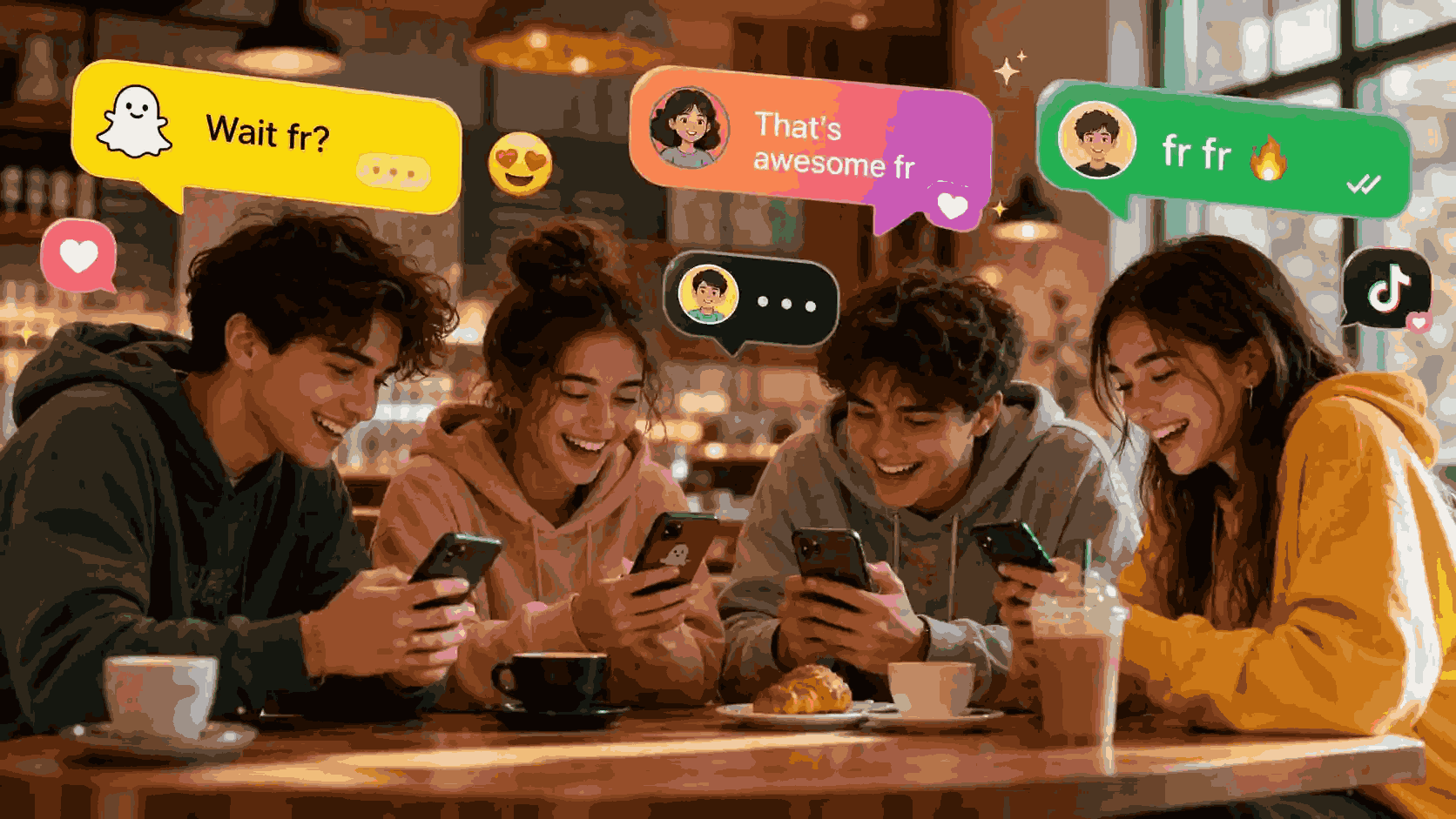
The Different Meanings of FR Depending on Context
The context around “FR” is important. Here are the most common ways people use it.
FR to Show Agreement
This is one of the most popular uses.
Example:
Person 1: “That restaurant is way too expensive.”
Person 2: “FR, and the food isn’t even that good.”
The second person strongly agrees with the first person.
Similar expressions include:
- Exactly
- Seriously
- Facts
- So true
- No cap
FR to Emphasize That Something Is True
People also add “FR” at the beginning or end of a sentence to make their point sound more serious.
Example:
“I need to start sleeping earlier, FR.”
This means the person genuinely believes they need to change their sleeping habits.
Another example:
“That test was difficult FR.”
In this situation, “FR” adds emphasis, much like saying “seriously” or “I’m not joking.”
FR? to Ask, “For Real?”
When “FR” appears as a question, the meaning changes slightly.
Example:
Person 1: “I met my favorite celebrity today.”
Person 2: “FR?”
The second person is asking whether the statement is actually true.
In full English, the reply could mean:
- Really?
- Are you serious?
- For real?
- No way, is that true?
The question mark is useful because it helps show that the person is asking for confirmation rather than simply agreeing.
FR to Express Surprise or Disbelief
Sometimes people write “FR” even without a question mark when they are shocked.
Example:
Person 1: “I accidentally deleted my entire project.”
Person 2: “FR?!”
This response suggests surprise and disbelief.
The meaning depends heavily on the conversation, but it may be understood as “For real? That actually happened?”
How to Use FR in Text Messages
If you want to use this slang naturally, the easiest approach is to match the context of the conversation.
1. Use FR when you strongly agree
Friend: “Summer goes by way too fast.”
You: “FR.”
2. Use FR to emphasize your opinion
“That song is amazing, FR.”
3. Use FR? when asking for confirmation
Friend: “I got tickets for the concert.”
You: “FR?”
4. Use FR when being sincere
“I’m going to focus more on my goals this year, FR.”
The abbreviation works best in informal conversations. It is generally suitable for chatting with friends, commenting on social media, or sending casual messages.

FR in Chat: Examples and Meanings
| Example | Meaning of FR |
|---|---|
| “FR, I agree.” | Strong agreement |
| “That was scary FR.” | Emphasis |
| “FR?” | Are you serious? / Really? |
| “I’m tired of this, FR.” | Sincere emphasis |
| “FRFR, that was crazy.” | Very strong emphasis |
The meaning usually becomes obvious when you read the full conversation rather than focusing on the abbreviation alone.
What Is the Difference Between FR and FRFR?
FR means “for real.”
FRFR usually means “for real, for real.”
The repeated abbreviation adds stronger emphasis. 7ESL describes FRFR as a more intense version used to reinforce seriousness or truthfulness.
Think of the difference this way:
FR: “I agree.”
FRFR: “I really, really agree.”
Examples
FR: “That game was difficult.”
FRFR: “That game was impossible.”
In everyday online conversation, FRFR often signals that the speaker is especially serious or strongly agrees with what was said.
FR vs. Other Popular Chat Slang
Many internet expressions have similar meanings, but they are not always interchangeable.
| Slang | Common Meaning | Typical Use |
|---|---|---|
| FR | For real | Agreement, sincerity, surprise |
| FRFR | For real, for real | Stronger emphasis |
| No cap | Honestly; no lie | Showing sincerity |
| Facts | That is true | Strong agreement |
| NGL | Not gonna lie | Introducing an honest opinion |
| TBH | To be honest | Giving a sincere opinion |
For example, “facts” can be used as an emphatic way to acknowledge that someone’s statement is true.
These expressions all relate to honesty or agreement, but their tone can differ. “FR” is particularly flexible because it can also be used as a question.
Where Is FR Commonly Used?
Text Messages
FR is common in quick conversations between friends.
Example:
“I can’t believe the weekend is already over.”
“FR 😭”
Instagram and Other Social Media
People use FR in comments and captions to make an opinion sound stronger.
Example:
“This is the best outfit, FR.”
Gaming Chats
Fast-paced gaming conversations often encourage short abbreviations.
Example:
“That final round was stressful FR.”
Group Chats
FR is useful when several people are discussing the same topic and someone wants to quickly show agreement.
Person 1: “We need to plan this trip.”
Person 2: “FR.”
Person 3: “Yes, before everything gets booked.”
Is FR Appropriate for Professional Conversations?
Usually, no.
Although “FR” is widely understood by many internet users, it is still informal slang. Using it in a work email, business proposal, academic paper, or formal message could make your writing appear too casual.
Instead of writing:
“I need the report today, FR.”
You could write:
“I genuinely need the report today.”
Or:
“I would appreciate receiving the report today.”
The best rule is simple: use FR in casual chats, not when clear and professional language is expected.
Other Meanings of FR
Although “for real” is the most common meaning of FR in chat, the abbreviation can mean something else in other contexts.
For example:
- Fr is the chemical symbol for francium.
- FR can be associated with France in certain country-code contexts.
- In specialized industries, organizations may use FR as an abbreviation for unrelated terms.
That is why context matters. If someone sends you:
“That movie was amazing FR.”
They almost certainly mean “for real.”
But if you see “Fr” in a chemistry textbook, it refers to the element francium rather than internet slang.
How Do You Reply When Someone Says FR?
The best response depends on how they used it.
If they are agreeing with you
You can reply with:
- Exactly!
- Right?
- I know!
- Literally!
- Facts!
- No cap!
If they are asking “FR?”
You can reply with:
- FR.
- Yes, seriously.
- I’m not joking.
- I swear.
- 100%.
If they are emphasizing something
You can respond naturally to the main message.
Person: “I need a vacation FR.”
You: “Same. I’m exhausted.”
You do not need to use slang in your reply unless it feels natural.
Why Context Matters More Than the Abbreviation
Internet slang often changes meaning through punctuation and tone. “FR,” “fr?” and “FRFR” may look similar, but they can communicate different things.
Consider these examples:
“That was amazing fr.”
The person is emphasizing their genuine opinion.
“FR?”
The person wants confirmation.
“FRFR.”
The person wants to show even stronger agreement or seriousness.
Understanding these small differences can help you avoid misreading a message. In online communication, punctuation, emojis, capitalization, and the messages before and after an abbreviation can all change the intended tone.

Frequently Asked Questions
What does FR mean in chat?
FR usually means “for real.” It can show agreement, emphasize sincerity, express surprise, or ask whether someone is telling the truth.
What does FR mean in a text message?
In a text message, FR generally means “for real.” For example, “That was the best concert ever, FR” means the person genuinely believes it was excellent.
What does FR? mean?
FR? usually means “For real?” or “Really?” It is used when someone wants confirmation about a surprising statement.
What does FRFR mean in texting?
FRFR generally means “for real, for real.” It adds stronger emphasis than simply writing FR.
Is FR the same as “no cap”?
They have similar uses because both can emphasize honesty or sincerity. However, “FR” means “for real,” while “no cap” means there is no lie or exaggeration.
Can adults use FR in chat?
Yes. While the abbreviation is especially common in online culture and among younger internet users, anyone can use it in an informal conversation if the audience understands the slang.
Is FR rude?
No, FR is not generally considered rude. However, its tone depends on the rest of the conversation. In a serious or formal situation, using slang may sound overly casual.
What does lowercase “fr” mean?
Lowercase “fr” usually has the same meaning as uppercase “FR” in casual chats: “for real.” Capitalization generally does not change the meaning.
Conclusion
So, what does FR in chat mean? In most cases, it means “for real.” It is a short and flexible expression used to agree with someone, emphasize that you are being genuine, react with surprise, or ask for confirmation.
The easiest way to understand it is to look at the context. “FR” can mean strong agreement, while “FR?” often means “Really?” and “FRFR” adds extra emphasis.
As with most internet slang, there is no need to force it into every conversation. But once you understand how it works, you will recognize it easily in texts, social media comments, group chats, and online communities.
Also Read: Daymond John Net Worth
