
 By urbanstimes@gmail.com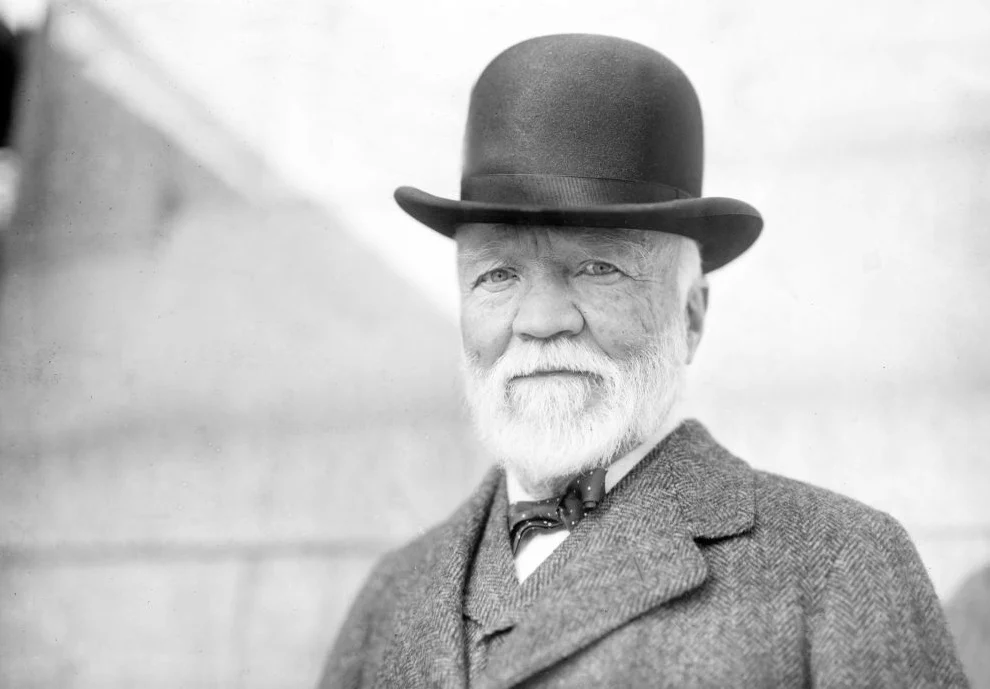
Few figures in modern history have shaped both industry and philanthropy as profoundly as Andrew Carnegie. Rising from humble beginnings as a poor immigrant in the United States, Carnegie became one of the richest men of the 19th century—and later, one of its most influential philanthropists.
The story of Andrew Carnegie accomplishments is not just about wealth. It’s about transformation: how one man helped build the American steel industry, redefined corporate success, and then gave away the majority of his fortune to benefit society.
This article explores his most important achievements, why they matter, and how they continue to influence the modern world.
Early Life and Rise to Success
From Poverty to Opportunity
Carnegie was born in Scotland in 1835 and immigrated to the United States as a child. His early life was marked by financial hardship, working in factories at a young age.
Entry Into Business
He began his career as a telegraph operator, eventually working for the Pennsylvania Railroad. This role gave him valuable insight into business operations and investment opportunities.
Why this matters:
Carnegie’s early experiences shaped his belief in self-improvement and opportunity—ideas that later influenced his philanthropic philosophy.
Building the Steel Empire
Founding Carnegie Steel
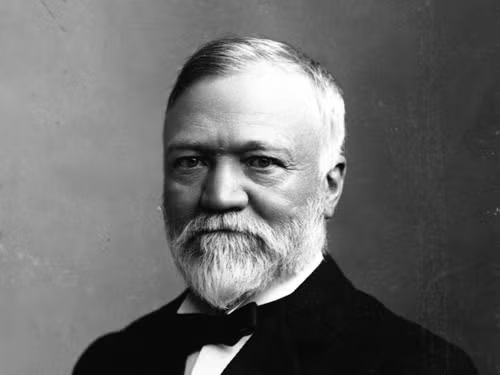
Carnegie’s most significant accomplishment was creating Carnegie Steel Company, which revolutionized steel production in the United States.
Innovations and Efficiency
He adopted advanced technologies like the Bessemer process, allowing steel to be produced faster and more cheaply.
Industry Impact
By the late 1800s, Carnegie Steel dominated the market, making Carnegie one of the wealthiest individuals in history.
Why it matters:
- Enabled rapid industrialization in the U.S.
- Supported infrastructure like railroads and bridges
- Set new standards for efficiency and scale
Major Andrew Carnegie Accomplishments (Overview Table)
| Category | Key Achievement | Impact |
|---|---|---|
| Industry | Built Carnegie Steel | Transformed U.S. steel production |
| Business | Pioneered vertical integration | Increased efficiency and profits |
| Philanthropy | Funded public libraries | Expanded global access to education |
| Education | Supported universities | Promoted knowledge and research |
| Philosophy | Wrote “Gospel of Wealth” | Influenced modern philanthropy |
The Gospel of Wealth: A New Philosophy
Carnegie’s essay, “The Gospel of Wealth,” argued that the rich have a responsibility to give back to society.
Core Ideas:
- Wealth should benefit the public
- Philanthropy is a moral duty
- Giving during one’s lifetime is more impactful
Why it matters:
This philosophy shaped modern charitable practices and influenced many wealthy individuals, including business leaders today.
Philanthropy: Giving Away a Fortune
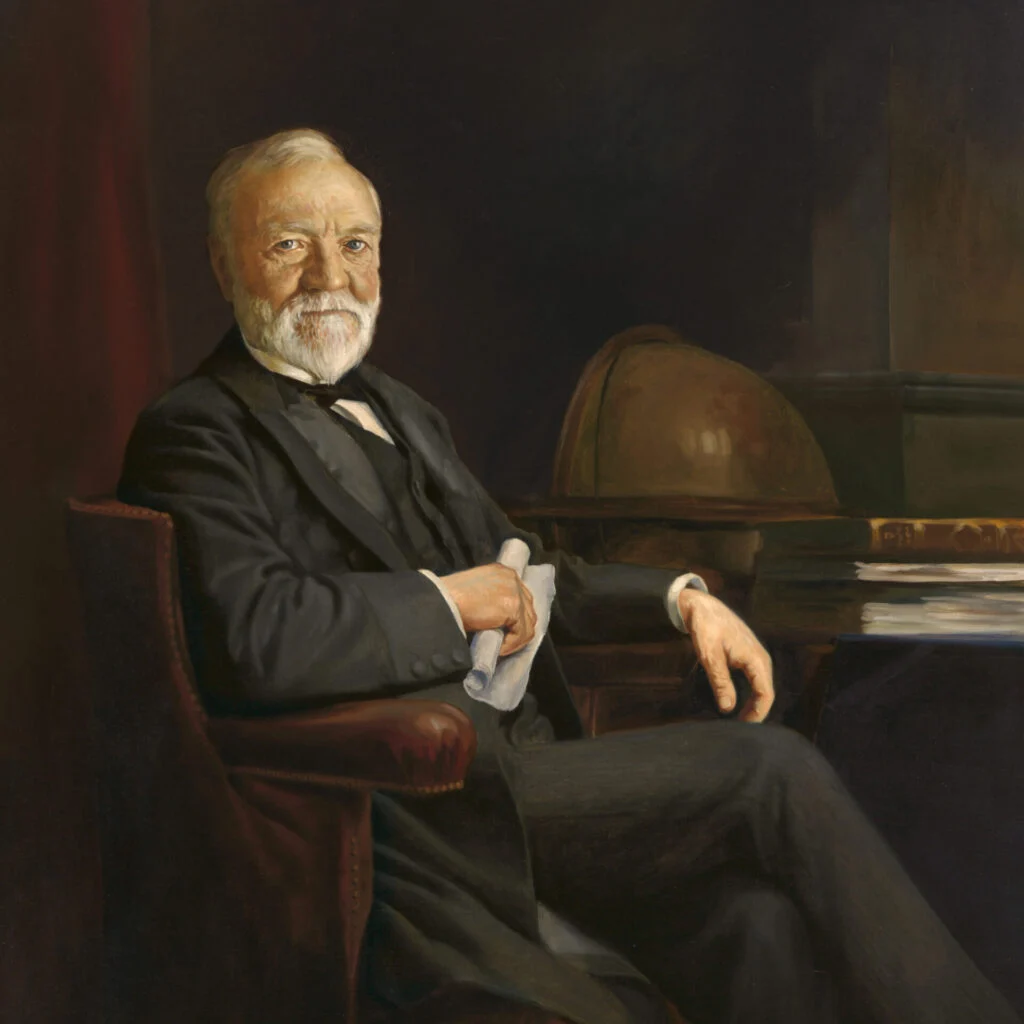
After selling Carnegie Steel in 1901, Carnegie dedicated his life to philanthropy.
1. Public Libraries
Carnegie funded over 2,500 libraries worldwide.
Impact:
- Improved literacy
- Expanded access to education
- Created community learning spaces
2. Education Institutions
He supported universities and founded organizations like:
- Carnegie Mellon University
- Carnegie Institution for Science
These institutions continue to contribute to research and innovation.
3. Peace Initiatives
Carnegie also funded peace organizations, believing in diplomacy over war.
Examples include:
- Carnegie Endowment for International Peace
Timeline of Key Achievements
| Year | Achievement |
|---|---|
| 1835 | Born in Scotland |
| 1848 | Immigrated to the U.S. |
| 1870s | Entered steel industry |
| 1890s | Became leading steel producer |
| 1901 | Sold Carnegie Steel |
| 1900s | Focused on philanthropy |
Controversies and Criticism
While Carnegie’s accomplishments are impressive, his legacy is not without controversy.
Labor Issues
The Homestead Strike of 1892 exposed harsh working conditions in his steel plants.
Wealth Inequality
Critics argue that his wealth came at the expense of workers.
Why this matters:
Understanding these criticisms provides a balanced view of his legacy.
Lasting Global Impact
1. Influence on Modern Business
Carnegie’s strategies, such as vertical integration, are still used today.
2. Philanthropy Model
His approach inspired modern billionaires to give back.
3. Education and Knowledge Access
Libraries and institutions he funded continue to serve millions worldwide.
Lessons From Andrew Carnegie’s Success
Key Takeaways:
- Invest in innovation
- Focus on efficiency
- Give back to society
- Think long-term
These principles remain relevant in today’s business world.
Conclusion
Andrew Carnegie accomplishments extend far beyond his steel empire. He didn’t just build wealth—he reshaped how wealth could be used to benefit society.
From revolutionizing industry to funding education and promoting global peace, his legacy remains deeply embedded in modern life.
While debates about his methods continue, one thing is clear: Carnegie’s impact is lasting, complex, and impossible to ignore.
FAQs
What are Andrew Carnegie’s most important accomplishments?
His key achievements include building Carnegie Steel, funding libraries, and promoting philanthropy.
Why is Andrew Carnegie famous?
He is known for his success in the steel industry and his large-scale charitable contributions.
What is the Gospel of Wealth?
It is Carnegie’s philosophy that wealthy individuals should use their money to benefit society.
How many libraries did Carnegie build?
He funded over 2,500 libraries worldwide.
What companies did Andrew Carnegie own?
His most famous company was Carnegie Steel.
Was Andrew Carnegie a philanthropist?
Yes, he gave away most of his fortune to education and public causes.
What impact did Carnegie have on the world?
He influenced industry, philanthropy, and education globally.
What can we learn from Andrew Carnegie?
His life teaches the importance of innovation, hard work, and giving back.
Also Read: dale jr net worth
