
 By urbanstimes@gmail.com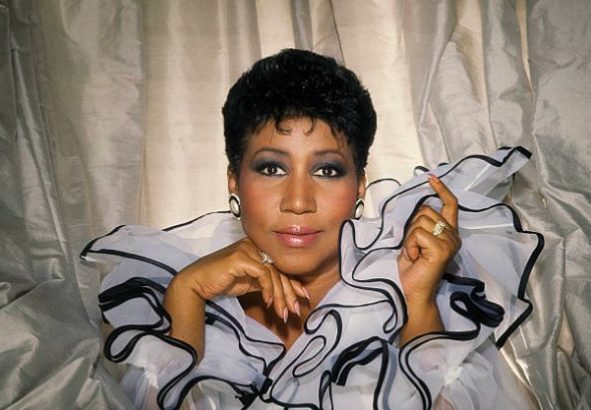
Aretha Franklin remains one of the most celebrated voices in music history, but questions about Aretha Franklin net worth have become more complicated since her death in 2018. Estimates published by celebrity-finance websites often place her personal net worth at a figure in the tens of millions, while reports surrounding her estate revealed a much more complex financial picture involving valuable assets, unpaid tax obligations, property, music rights, and years of legal administration.
What Was Aretha Franklin Net Worth?
Aretha Franklin’s net worth is commonly estimated by celebrity-finance publications at around $80 million, although this figure should be treated as an estimate rather than an officially audited financial statement.
There is no publicly available, universally accepted document stating one definitive net-worth figure for Franklin at the time of her death. This is an important distinction because net-worth websites generally use publicly reported information, property records, known career earnings, business interests, and estimated assets. They do not usually have access to every private account, debt, contract, or tax obligation.
Franklin died on August 16, 2018, at age 76. Her financial affairs later became the subject of significant estate administration and legal proceedings. As a result, discussions of her wealth often mix together different figures that do not necessarily measure the same thing.
A reported estate value, for example, may represent the gross value of assets before taxes, debts, legal costs, and other obligations are deducted.
Aretha Franklin Net Worth at a Glance
| Detail | Information |
|---|---|
| Full name | Aretha Louise Franklin |
| Known as | The Queen of Soul |
| Primary career | Singer, songwriter, pianist and performer |
| Commonly published net-worth estimate | Around $80 million |
| Career span | More than six decades |
| GRAMMY Awards | 18 |
| Rock & Roll Hall of Fame | Inducted in 1987 |
| Date of death | August 16, 2018 |
The most reliable approach is to describe the widely reported net-worth figure as an estimate, not a confirmed final accounting.

How Did Aretha Franklin Make Her Money?
Aretha Franklin’s wealth was built over decades. Unlike an artist whose earnings depend on one successful album or a short period of fame, Franklin maintained a major career across multiple generations.
Her income came from several sources.
Record Sales and Recorded Music
Franklin released a large body of work during her career, including influential albums and songs that remain central to American music history.
Her breakthrough at Atlantic Records in the 1960s transformed her commercial standing. Her recording of “Respect” became a landmark hit and reached No. 1 on the Billboard Hot 100, according to the Recording Academy. The success of songs such as “Respect,” “Chain of Fools,” “Think,” and “(You Make Me Feel Like) A Natural Woman” helped establish her as one of the defining artists of her generation.
Revenue from recorded music can include artist royalties, royalties from songwriting where applicable, licensing arrangements, and later revenue connected with catalog exploitation. However, the exact terms of Franklin’s recording contracts were not all publicly available, so it would be inaccurate to assign a precise lifetime income figure without verified records.
Touring and Live Performances
Live performances were another major part of Franklin’s career.
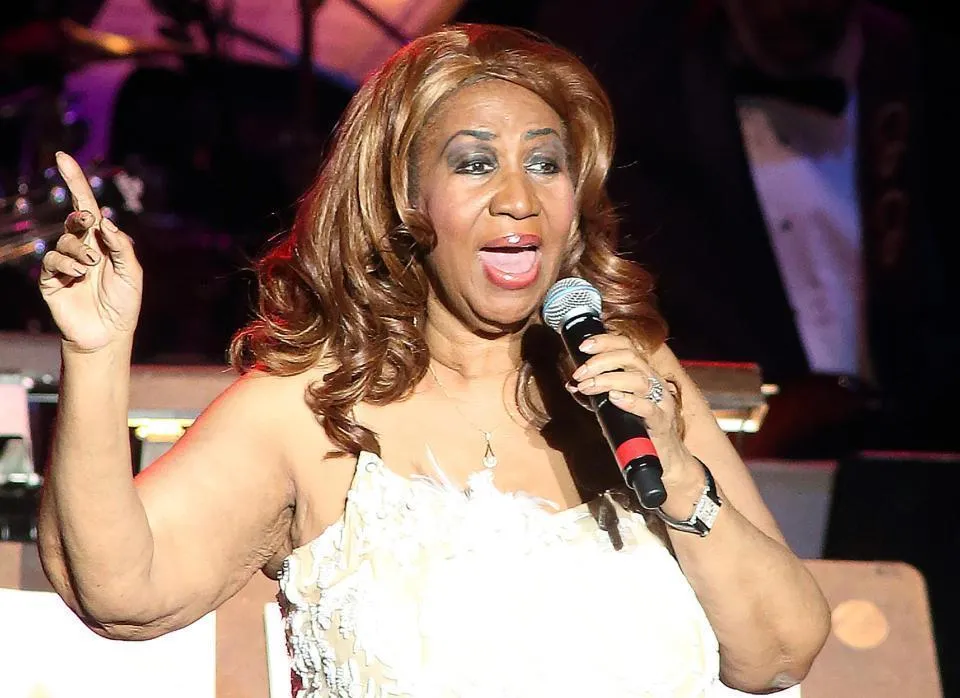
For established artists, concerts can generate substantial income through performance fees and touring arrangements. Franklin remained a sought-after live performer for many years, appearing at concerts, special events, award ceremonies, and high-profile public occasions.
Live income can be significant, but gross performance revenue is not the same as personal profit. Expenses can include musicians, production, travel, management, agents, and taxes.
Royalties and Music Licensing
A legendary catalog can continue generating revenue long after a song’s original release.
Franklin’s music has appeared in films, television, streaming services, compilations, and other licensed uses. Catalog income may come from several different rights, including:
- Master recording rights
- Publishing rights
- Performance royalties
- Mechanical royalties
- Synchronization licenses
- Digital and streaming revenue
The ownership of these rights can vary from song to song and contract to contract. Therefore, it is not accurate to assume that an artist personally owns every right connected with every recording.
Still, Franklin’s enduring popularity means her musical legacy remained economically valuable as well as culturally significant.
Television, Film and Other Appearances
Franklin also expanded her public presence beyond traditional album releases. High-profile appearances can create additional revenue and strengthen an artist’s long-term commercial value.
Her cultural importance also helped preserve interest in her catalog across generations.
Why Aretha Franklin’s Music Career Was So Valuable
Aretha Franklin did not simply have a successful recording career. She achieved a level of cultural importance that can extend the commercial life of an artist’s work.
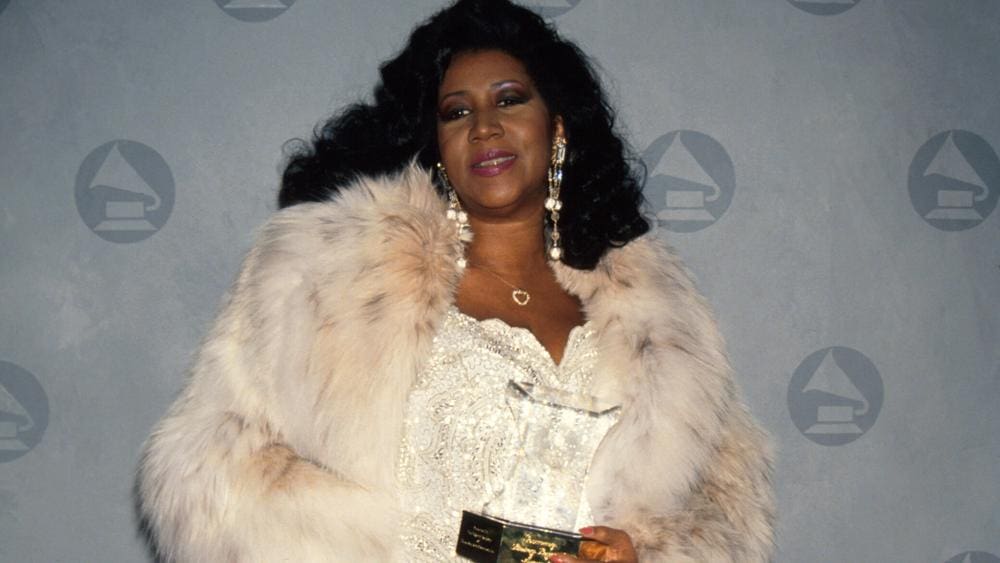
The Recording Academy credits Franklin with 18 GRAMMY wins and 44 nominations. Her honors included the GRAMMY Legend Award and the Lifetime Achievement Award. Five of her recordings are recognized in the GRAMMY Hall of Fame.
She also made history as the first woman inducted into the Rock & Roll Hall of Fame in 1987.
These achievements do not directly reveal her bank balance, but they help explain why her work retained significant cultural and commercial relevance.
Major Career Milestones
| Year | Milestone |
|---|---|
| 1942 | Born in Memphis, Tennessee |
| 1961 | Began her major-label recording career with Columbia Records |
| 1967 | “Respect” became a defining commercial and cultural breakthrough |
| 1987 | Became the first woman inducted into the Rock & Roll Hall of Fame |
| 1991 | Received the GRAMMY Legend Award |
| 1994 | Received the Recording Academy Lifetime Achievement Award |
| 2008 | Honored as MusiCares Person of the Year |
| 2018 | Died at age 76 |
Franklin’s legacy was built through consistency as much as individual hits. Her career stretched across changing formats, audiences, and business models.
What Happened to Aretha Franklin’s Estate?
The discussion surrounding Aretha Franklin’s estate is one reason her exact financial position is difficult to summarize with one number.
After her death, her estate entered a lengthy legal and administrative process. Questions surrounding her testamentary documents and estate planning received widespread attention, demonstrating how complicated the transfer of assets can become when multiple documents and family interests are involved.
An estate is not simply a pile of cash. It can include:
- Real estate
- Bank accounts
- Personal property
- Vehicles
- Copyright interests
- Royalty income
- Business interests
- Valuable memorabilia
- Future income from intellectual property
It can also carry obligations, including:
- Taxes
- Debts
- Administrative expenses
- Legal costs
- Other liabilities
That is why readers should be careful when they see a headline claiming a celebrity “left behind” a specific amount. The gross value of assets is different from the amount ultimately available to beneficiaries.
Did Aretha Franklin Have Tax Debts?
Financial reports surrounding Franklin’s estate included discussion of substantial tax obligations. This further demonstrates why a published net-worth estimate should not automatically be treated as a confirmed picture of someone’s final finances.
Taxes and other liabilities can significantly reduce an estate’s net value. A person may own valuable assets while also owing substantial amounts to governments, lenders, businesses, or other parties.
This is particularly relevant when estimating celebrity wealth. A public figure may have high career earnings without having an equally high final net worth.
High earnings are not the same as high net worth.
For example, an artist may earn millions over a career but spend substantial amounts on:
- Taxes
- Real estate
- Employees and professional services
- Touring expenses
- Investments
- Family expenses
- Debt payments
That distinction is essential when evaluating claims about Aretha Franklin’s fortune.
How Much Did Aretha Franklin Earn From “Respect”?
There is no publicly verified figure showing exactly how much Franklin personally earned from “Respect” over her lifetime.
The song’s enormous cultural and commercial importance does not automatically reveal her personal earnings. Music revenue depends on contracts and the ownership of specific rights.
What can be confirmed is the song’s historical significance. Franklin’s 1967 recording of Otis Redding’s “Respect” became a No. 1 hit on the Billboard Hot 100 and helped propel her to a new level of mainstream success. The Recording Academy also notes that the recording earned her some of her earliest GRAMMY recognition.
A responsible financial analysis should therefore avoid inventing a lifetime earnings figure for one song.
Was Aretha Franklin One of the Richest Singers?
Aretha Franklin was unquestionably one of the most successful and influential singers in modern music history. However, ranking her among the richest singers depends on which methodology is used.
Some artists have built fortunes through businesses, endorsements, investments, and ownership of major companies in addition to music. Franklin’s wealth was more closely associated with her exceptional recording and performing career, along with the value created by her music and personal assets.
Her place in music history is easier to verify than an exact wealth ranking. She remains an 18-time GRAMMY winner and the first woman inducted into the Rock & Roll Hall of Fame.
How Does Aretha Franklin’s Estate Continue to Have Value?
A musician’s estate can continue to generate income after death, particularly when the artist has a globally recognized catalog.
Potential continuing sources of value include:
Streaming
New listeners continue discovering classic music through digital platforms.
Licensing
Songs can be licensed for films, television, documentaries, advertisements, and other productions, subject to the rights and approvals involved.
Reissues and Special Releases
Record labels and rights holders may release remastered editions, box sets, archival recordings, and anniversary projects.
Biographical Projects
Books, documentaries, films, and other projects can renew public interest in an artist’s life and work.
The financial value of any individual project varies, and future income should not automatically be added to a published “net worth” figure without verified financial information.
Aretha Franklin’s Legacy Is Bigger Than a Net-Worth Number
Searches for Aretha Franklin net worth are understandable, but the number tells only part of her story.
Franklin’s influence can be measured through her voice, recordings, awards, and the generations of artists shaped by her work. Her 18 GRAMMY wins place her among the most honored artists in Recording Academy history, while her historic Rock & Roll Hall of Fame induction marked another barrier-breaking achievement.
She turned gospel-rooted vocal traditions into music that reached global audiences without losing emotional power. Songs associated with Franklin continue to be performed, studied, streamed, and celebrated decades after their release.
From a financial perspective, that longevity matters because enduring cultural relevance can help preserve the value of a music catalog.
Frequently Asked Questions
What was Aretha Franklin net worth when she died?
Aretha Franklin net worth is commonly estimated at around $80 million by celebrity-finance publications. However, this figure is an estimate and should not be confused with a final, independently audited accounting of her estate.
How much was Aretha Franklin’s estate worth?
Estate value and personal net worth are not always the same. The estate included different categories of assets and liabilities, and its financial matters became subject to legal and administrative processes after her death.
How did Aretha Franklin make her money?
She earned money primarily through her music career, including recorded music, live performances, royalties, licensing opportunities, and other entertainment activities.
Did Aretha Franklin own her music?
Music ownership can differ between individual songs and recordings. Recording contracts, master ownership, publishing rights, and songwriting interests can all affect who receives income from particular works. It is not accurate to assume that she personally owned every right connected with her entire catalog.
How many GRAMMY Awards did Aretha Franklin win?
Aretha Franklin won 18 GRAMMY Awards and received 44 nominations, according to the Recording Academy.
Why was Aretha Franklin called the Queen of Soul?
She earned the title because of her extraordinary influence on soul and R&B music, her powerful vocal style, and a career that produced numerous landmark recordings.
Was Aretha Franklin the first woman in the Rock & Roll Hall of Fame?
Yes. Aretha Franklin became the first woman inducted into the Rock & Roll Hall of Fame in 1987.
What was Aretha Franklin’s most famous song?
“Respect” is widely considered one of her signature and most influential recordings. Her version became a No. 1 hit and helped define her rise to mainstream superstardom.
Conclusion
The most widely published estimate of Aretha Franklin net worth is around $80 million, but the exact figure should be treated carefully. Celebrity wealth estimates are not official audits, and Franklin’s estate involved valuable assets as well as financial obligations that make her final financial picture more complicated than a single headline number.
What is beyond dispute is the scale of the career that created her wealth. Franklin spent decades as one of the world’s most important singers, earning commercial success through recordings, concerts, royalties, and a catalog whose cultural value continues to endure.
Her 18 GRAMMY Awards, historic 1987 Rock & Roll Hall of Fame induction, and lasting influence explain why Aretha Franklin remains a major figure in music long after her death. Her financial legacy may involve estimates and legal complexities, but her artistic legacy is remarkably clear: the Queen of Soul remains one of the most important voices in the history of recorded music.
Also Read: yh full form in chat
