
 By urbanstimes@gmail.com

Celebrity wealth can look deceptively simple. An actor appears in a blockbuster, a musician sells out a world tour, or an influencer launches a successful brand, and headlines soon announce a multimillion-dollar fortune. Yet the amount a celebrity earns is not necessarily the amount they own.
Understanding celebrity net worth means looking beyond salaries and extravagant purchases. A person’s financial position may include property, investments, intellectual property, company shares, royalties, and debts. In some cases, a successful business contributes more to a star’s fortune than their original entertainment career.
This guide explains how celebrity net worth is calculated, where famous people make their money, which public figures have built billionaire-level fortunes, and how to assess the reliability of online estimates.
What Does Celebrity Net Worth Mean?
Net worth is the difference between the value of someone’s assets and their liabilities at a particular point in time.
The basic formula is:
Net worth = Total assets − Total liabilities
Assets may include cash, investment portfolios, real estate, company ownership, valuable collections, and rights to income-producing intellectual property. Liabilities may include mortgages, loans, unpaid obligations, and other debts.
For example, imagine a celebrity has the following financial position:
| Financial item | Illustrative value |
|---|---|
| Cash and investments | $25 million |
| Property and other assets | $15 million |
| Business ownership | $30 million |
| Total assets | $70 million |
| Loans and other liabilities | $10 million |
| Estimated net worth | $60 million |
These figures are hypothetical and do not describe a real person.
The example illustrates why a celebrity’s reported earnings cannot be used as a direct measure of wealth. Someone might earn tens of millions of dollars over a career but retain much less after taxes, expenses, debt, and personal spending.
Net worth also changes over time. A company’s valuation may rise, a property may appreciate, or an investment may lose value. A published estimate should therefore be treated as a snapshot rather than a permanent financial fact.
Who Are the Wealthiest Celebrities?
The world’s wealthiest celebrities often combine public recognition with ownership of valuable businesses, intellectual property, and investments. Their fortunes can extend far beyond salaries, acting fees, or music royalties.
Forbes’ 2026 reporting on celebrity billionaires illustrates this trend. Its coverage identifies entertainers whose wealth comes from business ventures and ownership as well as performance income.
Several high-profile examples show how different career paths can create substantial fortunes.
Jay-Z: Music and Business Ownership
Jay-Z built his career as a rapper before expanding into entrepreneurship and investments. His business interests have included entertainment, spirits, music streaming, and other assets.
Forbes’ profile identifies his music career, Roc Nation, spirits transactions, and investment holdings among the sources associated with his wealth. This demonstrates why looking only at album sales would miss important parts of his financial story.
Taylor Swift: Touring and Music Rights
Taylor Swift’s fortune reflects more than record sales. Touring revenue, royalties, music rights, and real estate all contribute to the financial picture described in Forbes’ profile.
Her experience illustrates how ownership of creative work can matter financially over the long term. A successful song or album may generate income years after its original release, depending on the rights involved and how the music is used.
Beyoncé: Entertainment and Business Operations
Beyoncé has built wealth through decades of performance and recording, while her entertainment business gives her greater involvement in producing and commercializing projects.
Forbes’ 2026 profile identifies her music career and Parkwood Entertainment as important parts of her financial success. This is an example of how artists can potentially capture more business value by controlling more aspects of their careers.
These examples are not a definitive ranking of every wealthy celebrity. Rankings change, and a list of the richest people may include entrepreneurs, athletes, media personalities, and entertainers depending on how the publisher defines a celebrity.
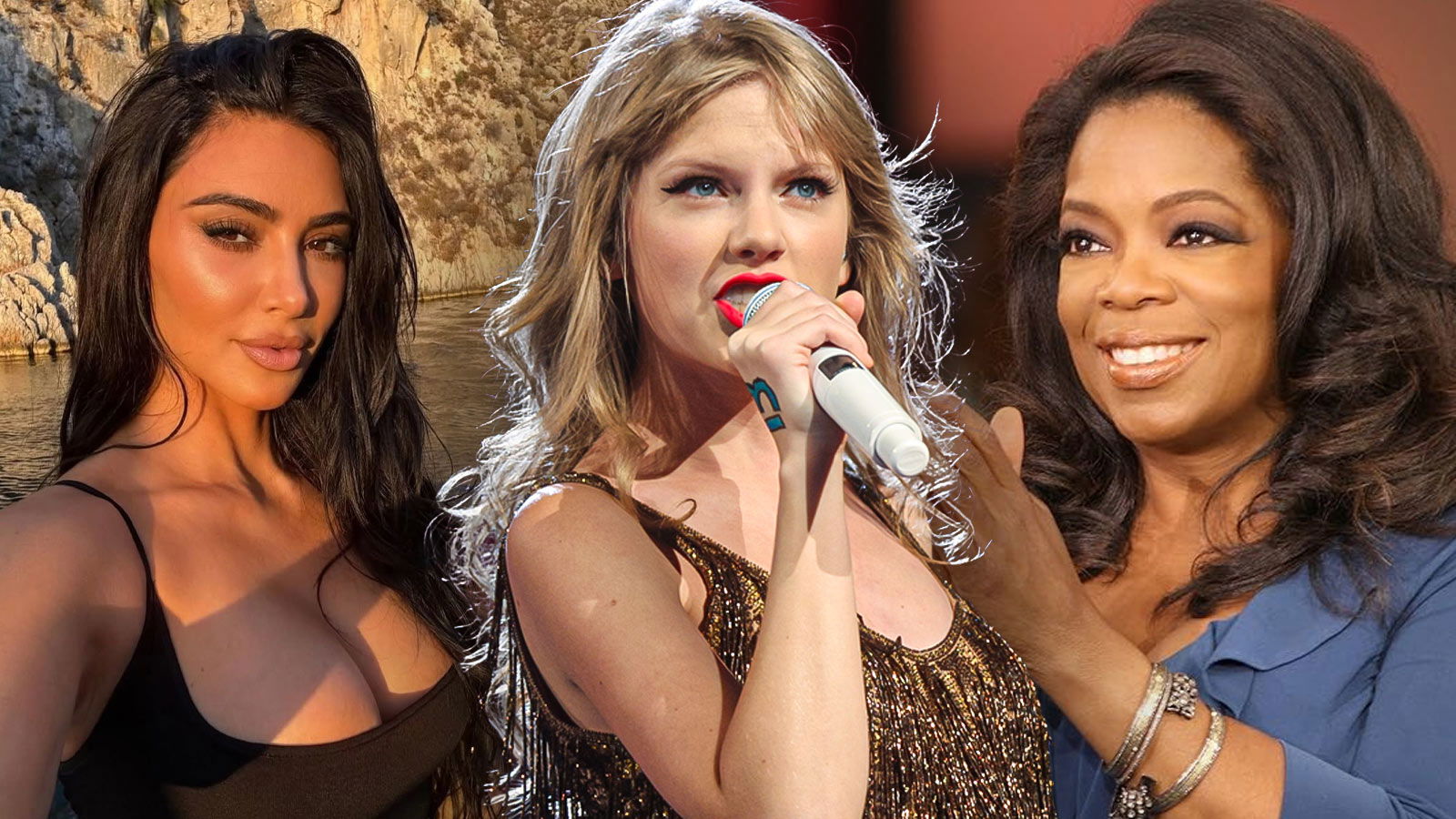
How Do Celebrities Make Their Money?
Most large celebrity fortunes are built through several income sources rather than a single paycheck. The mix depends on the person’s profession, commercial opportunities, ownership rights, and willingness to invest in businesses.
1. Film and Television Salaries
Actors may earn a fixed fee for a film, episode, or production. Established stars can negotiate larger salaries, while some contracts include bonuses or compensation linked to a project’s performance.
However, a reported salary is usually gross compensation. It does not automatically account for taxes, agents, managers, legal costs, or other expenses.
2. Music Royalties and Touring
Musicians may earn money through live performances, recording royalties, songwriting, licensing, and other commercial uses of their music.
Touring can generate significant revenue, but gross ticket sales are not the same as an artist’s personal profit. Tours require spending on venues, staff, transportation, equipment, promotion, production, and other operating costs.
Ownership also matters. An artist’s income from a song may depend on whether they own the composition, the recording, or only a share of the rights.
3. Brand Deals and Endorsements
Companies pay celebrities to promote products, appear in campaigns, or represent a brand. The size of a deal may depend on audience reach, public image, exclusivity, engagement, and the expected commercial impact.
A celebrity may receive a one-time payment or negotiate a longer agreement. Some arrangements may include equity or performance-based compensation, but the details are not always public.
4. Business Ownership and Investments
Business ownership can be a major source of wealth because the value of a successful company may grow beyond the founder’s original earnings.
A celebrity might own part of a fashion label, cosmetics company, production studio, restaurant group, or technology business. If the business becomes more valuable, the owner’s stake may increase in estimated value—even when that value has not been converted into cash.
The distinction is important: a company’s valuation is not the same as the amount its owner could immediately spend. The owner’s actual share, debt, contractual restrictions, and the ability to sell the stake all matter.
5. Real Estate and Intellectual Property
Celebrities may own residential properties, commercial real estate, music catalogs, film rights, publishing rights, or other intellectual property.
These assets can appreciate or generate income. However, their value may be difficult to determine without a recent sale, reliable valuation, or information about ownership and liabilities.
How Is Celebrity Net Worth Estimated?
Most celebrities do not publish a complete personal balance sheet. As a result, many figures online are estimates assembled from available information rather than verified statements of personal wealth.
A responsible estimate may draw on several types of evidence:
- Public financial disclosures: Documents can reveal certain holdings, transactions, or compensation when a person has a relevant public-company connection.
- Business transactions: Reported sales, investment rounds, and ownership stakes can help establish the potential value of a business interest.
- Property records: Purchase prices and documented sales provide useful information, although they do not establish the owner’s current equity.
- Credible financial journalism: Reputable reporting may document salaries, contracts, business deals, and other financial events.
- Court documents: Where publicly available, filings may disclose specific assets, debts, or financial disputes.
The evidence does not always reveal the full picture. Private investments may be undisclosed, property may carry a mortgage, and a celebrity’s actual ownership percentage may be unclear.
Why Different Websites Report Different Figures
Two websites can publish different net worth estimates for the same person because they may use different valuation dates, asset assumptions, and sources.
One publisher might include a private business at its estimated market value, while another might use a more conservative figure. A website may also update its profile after a major sale while another continues displaying an older estimate.
Look for a clear date, a transparent explanation, and links to credible reporting. An estimate that provides its evidence and acknowledges uncertainty is generally more useful than an exact-looking number without a supporting explanation.
Celebrity Earnings vs. Net Worth: What Is the Difference?
These terms are often confused, but they describe different financial concepts.
| Term | What it means | Example |
|---|---|---|
| Gross earnings | Money earned before deductions | A reported $10 million acting fee |
| Net income | Income remaining after applicable expenses and taxes, depending on the definition used | Earnings after costs and taxes |
| Assets | Things of financial value a person owns | Investments, property, and business shares |
| Liabilities | Debts and other financial obligations | Mortgages and loans |
| Net worth | Assets minus liabilities | A calculated financial position |
A celebrity could earn $10 million in one year without increasing their net worth by the same amount. They might have substantial taxes and expenses, pay down debt, or invest the proceeds in an asset whose value later changes.
Similarly, a business owner may become wealthier on paper because the company’s valuation rises, even if they receive no immediate cash payment.
Why Celebrity Net Worth Figures Can Be Misleading
A large number can attract attention, but several common issues make online estimates difficult to interpret.
Confusing Revenue With Personal Wealth
A movie’s worldwide box office total belongs to neither the lead actor nor the director alone. It is revenue generated across a complicated commercial arrangement involving cinemas, distributors, studios, and other parties.
The same principle applies to a music tour, product launch, or company. Gross sales do not equal the celebrity’s personal earnings.
Ignoring Ownership Shares
A celebrity may be associated with a business without owning all of it. Investors, co-founders, and other shareholders may hold substantial portions of the company.
A business valuation should not be counted as an individual’s personal asset in full unless that person actually owns the entire business.
Overlooking Debt and Expenses
Expensive homes, cars, and luxury goods may attract headlines, but their purchase prices alone do not reveal a person’s financial position. Loans, maintenance costs, taxes, and other liabilities can change the calculation.
Likewise, a celebrity’s total career earnings cannot tell readers how much money remains after decades of spending and investment.
Repeating Estimates Without Verification
Multiple websites may publish the same figure without independently verifying it. Repetition is not proof.
For a more reliable picture, trace a claim back to its original source. Prefer documented transactions, official disclosures, and reputable reporting over unsourced social media posts or sensational headlines.
Where Can You Find Reliable Celebrity Wealth Information?
Readers researching a celebrity’s finances should compare multiple types of sources rather than relying on a single net worth website.
Useful places to start include:
- Forbes: Its wealth profiles and rankings provide estimates and reporting on prominent entrepreneurs, entertainers, and investors. The publication explains its ranking methodology for relevant lists.
- Company filings and official disclosures: These may provide evidence about publicly disclosed ownership, company finances, or certain transactions.
- Reputable entertainment publications: Established industry outlets often report film salaries, production deals, music rights transactions, and business sales.
- Official award databases: The Academy Awards database can verify Oscar nominations and wins. Awards are useful for checking career facts, although they do not establish a person’s wealth.
- Public property and court records: Where accessible, these can help verify particular transactions or financial claims.
A useful research habit is to record the publication date and the period covered by each source. An older estimate may have been reasonable when published but may no longer reflect current business valuations or transactions.
How to Evaluate a Celebrity Net Worth Claim
Before trusting a number, ask these five questions:
- Who published it? Is the source a recognized financial publication, an entertainment outlet with named reporting, or an anonymous website?
- When was it updated? A dated estimate is easier to evaluate than an undated figure.
- What evidence supports it? Look for attributable reporting, records, or documented transactions.
- Does it distinguish earnings from wealth? Gross revenue and reported salaries are not equivalent to net worth.
- Does it explain uncertainty? Private assets, debt, taxes, and ownership shares may be unknown.
If a website claims a celebrity is worth a specific amount but provides no methodology or evidence, treat the figure as unverified. It may be a starting point for research, but it should not be repeated as an established fact.
The Future of Celebrity Wealth
The business of fame continues to evolve. Streaming, social media, direct-to-consumer brands, licensing, and creator-led companies have expanded the ways public figures can earn money.
Traditional entertainment careers can also lead to ownership opportunities. A musician might launch a company, an actor might establish a production business, and a digital creator might build a product line around an audience.
Yet new income opportunities do not guarantee lasting wealth. Businesses face competition, investments can fall in value, and public attention can change quickly. Sustainable financial success depends on the economics behind the brand, not fame alone.
For readers following celebrity fortunes, this makes context more valuable than a simple ranking. Understanding where the money comes from—and what remains uncertain—provides a more accurate picture of a public figure’s financial position.
Conclusion
Celebrity net worth offers a useful way to explore the financial side of entertainment, sports, music, and digital culture, but it should never be confused with a confirmed bank balance. A celebrity’s fortune may include business ownership, royalties, property, investments, and other assets, offset by debts and expenses.
The most informative profiles explain how wealth was created, identify the evidence behind major financial claims, and state when an amount is only an estimate. By comparing reliable sources and distinguishing earnings from ownership, readers can make better sense of celebrity wealth without being misled by headline numbers.

Frequently Asked Questions
1. What does celebrity net worth mean?
Celebrity net worth is the estimated value of a public figure’s assets minus their liabilities. It may include property, investments, business ownership, royalties, and other assets, less debts and financial obligations.
2. Who is the richest celebrity in the world?
The answer depends on the definition of a celebrity, the ranking’s publication date, and the methodology used. Business ownership can significantly affect the rankings, so consult a recent, reputable wealth ranking rather than relying on an undated list.
3. Are celebrity net worth websites accurate?
They can offer useful estimates, but most celebrity net worth figures are not verified personal balance sheets. Accuracy depends on the available evidence, the quality of the sources, and how clearly the publisher explains its assumptions.
4. How do celebrities become billionaires?
Some build billion-dollar fortunes through entertainment income combined with business ownership, investments, intellectual property, or brand equity. For many, ownership stakes become more important than their original salaries.
5. Does a celebrity’s salary equal their net worth?
No. Salary is income earned during a particular period or from a particular job. Net worth measures assets minus liabilities. Taxes, professional fees, spending, debt, and investment performance affect how much wealth someone ultimately retains.
6. Why does celebrity net worth change over time?
Net worth estimates can change when business valuations, share prices, property values, income, debts, or ownership stakes change. Estimates can also differ when publishers update their sources or use different assumptions.
7. Where can I check celebrity net worth information?
Start with reputable financial publications such as Forbes, then compare their reporting with company disclosures, documented transactions, and established entertainment-industry reporting. Always check the publication date and whether the figure is presented as an estimate.
Also Read: Keanu Reeves Net Worth
