
 By urbanstimes@gmail.com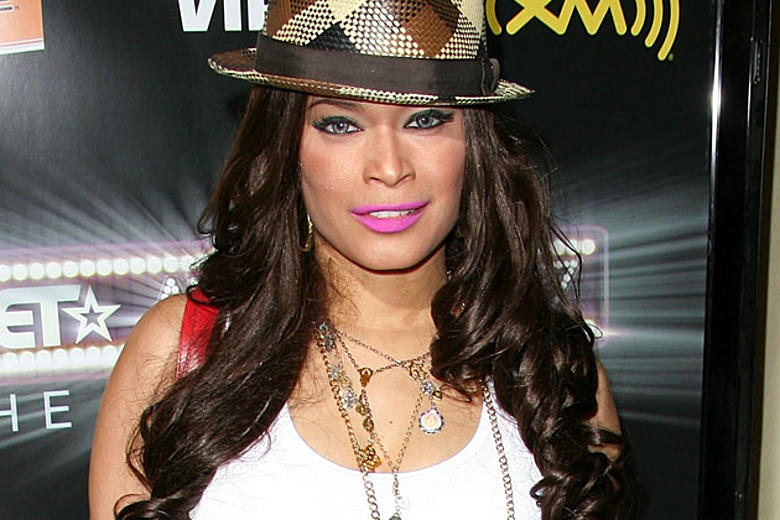
Blu Cantrell became one of the most recognizable R&B singers of the early 2000s thanks to her powerful vocals and unforgettable hits. Best known for songs like “Hit ’Em Up Style (Oops!)” and “Breathe” featuring Sean Paul, she built a successful music career that continues to attract fans years later.
Even though she stepped away from mainstream attention, interest in Blu Cantrell net worth remains high in 2026. Many fans still wonder how much the singer earned from her chart-topping singles, album sales, touring, and music royalties.
As of 2026, Blu Cantrell’s estimated net worth is believed to be around $5 million. Her wealth mainly comes from music royalties, streaming revenue, album sales, performances, and entertainment-related appearances.
Blu Cantrell Net Worth in 2026
Blu Cantrell’s estimated net worth in 2026 is approximately $5 million. Although she is no longer dominating radio charts like she did in the early 2000s, her classic R&B songs continue to generate income through streaming services, digital downloads, and licensing deals.
How She Built Her Wealth
Blu Cantrell earned most of her money from:
- Hit singles and album sales
- Music streaming royalties
- Live performances and tours
- International music success
- Television appearances
- Collaborations with major artists
Her songs still receive millions of streams annually on platforms such as Spotify, Apple Music, and YouTube, helping maintain her long-term earnings.
Why Her Net Worth Still Matters
Many artists from the early 2000s faded financially after their popularity declined. However, Blu Cantrell’s most successful tracks became timeless R&B records, allowing her to continue earning passive income years after their original release.
Her success story also reflects how artists can benefit from long-term royalty payments even after stepping away from mainstream music.

Blu Cantrell Biography and Personal Information
Before becoming a famous R&B singer, Blu Cantrell worked hard to establish herself in the entertainment industry. Her journey from aspiring vocalist to international music star helped shape her career and financial success.
Quick Bio Table
| Information | Details |
|---|---|
| Full Name | Tiffany Cobb |
| Stage Name | Blu Cantrell |
| Date of Birth | March 16, 1976 |
| Age in 2026 | 50 Years Old |
| Birthplace | Providence, Rhode Island, USA |
| Profession | Singer, Songwriter |
| Genre | R&B, Soul, Hip-Hop Soul |
| Famous Songs | “Hit ’Em Up Style (Oops!)”, “Breathe” |
| Estimated Net Worth | $5 Million |
| Active Years | 1990s–Present |
| Nationality | American |
Early Life and Musical Background
Blu Cantrell was born as Tiffany Cobb in Providence, Rhode Island. She grew up in a musical environment and reportedly developed her passion for singing at a young age. Before gaining fame, she performed as a backup vocalist and worked hard to improve her vocal abilities.
Her soulful voice and strong stage presence eventually caught the attention of record executives, leading to her signing with Arista Records.
The Breakthrough That Changed Her Career
Blu Cantrell’s rise to fame happened quickly after the release of her debut single. Her unique blend of R&B, soul, and hip-hop made her stand out in a highly competitive music industry.
“Hit ’Em Up Style (Oops!)” Became a Massive Hit
In 2001, Blu Cantrell released her debut album So Blu. The album’s lead single, “Hit ’Em Up Style (Oops!)”, became an instant commercial success.
The song reached No. 2 on the Billboard Hot 100 and became one of the most recognizable breakup anthems of the early 2000s.
How the Song Increased Her Net Worth
The success of the single generated income through:
- Physical CD sales
- Radio airplay royalties
- MTV and music video rotations
- Concert bookings
- International licensing rights
At the time, artists earned significant money from physical album sales, and Blu Cantrell benefited greatly from that era of music distribution.
Grammy Recognition
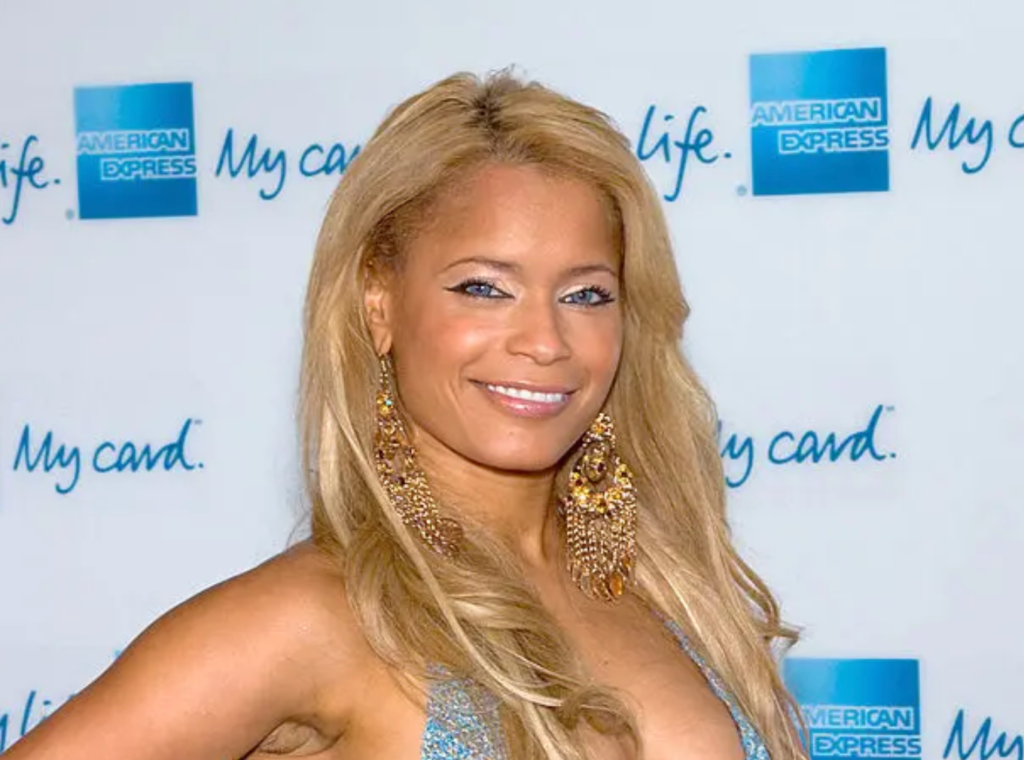
The success of “Hit ’Em Up Style (Oops!)” also earned Blu Cantrell Grammy nominations, further increasing her popularity and commercial value in the music industry.
International Success With “Breathe”
After her successful debut, Blu Cantrell released her second album, Bittersweet, in 2003.
Collaboration With Sean Paul
The album featured the hit song “Breathe” with Sean Paul. The track became extremely popular internationally and topped charts in several countries.
The success of the collaboration introduced Blu Cantrell to a wider global audience.
Impact on Her Earnings
The international popularity of “Breathe” increased her income through:
- Overseas album sales
- International concerts
- Music licensing deals
- Radio royalties
- Global streaming revenue
The song remains one of the biggest highlights of her music career and continues to contribute to her earnings today.
Blu Cantrell’s Main Sources of Income
Although Blu Cantrell is not constantly releasing new music, she still benefits from several income streams connected to her earlier success.
Music Royalties
Music royalties are one of Blu Cantrell’s biggest sources of income in 2026.
Every time her songs are:
- Streamed online
- Played on radio stations
- Used in television or films
- Added to playlists
- Played in public venues
she receives royalty payments.
Classic R&B tracks from the early 2000s continue attracting listeners worldwide, helping her maintain steady passive income.
Streaming Revenue
Streaming platforms have become a major source of earnings for legacy artists.
Blu Cantrell’s popular songs continue generating streams on:
- Spotify
- Apple Music
- YouTube Music
- Amazon Music
- Pandora
As nostalgia for early-2000s music continues growing, her streaming numbers remain valuable.
Concerts and Live Appearances
Blu Cantrell has occasionally appeared at:
- Throwback R&B festivals
- Music nostalgia tours
- Celebrity events
- Live performances
Even occasional appearances can generate strong income for artists with recognizable hit songs.
Brand and Media Opportunities
Like many celebrities, Blu Cantrell has also benefited from interviews, media appearances, and entertainment-related opportunities connected to her music legacy.
Why Blu Cantrell Stepped Away From Mainstream Music
Many fans still wonder why Blu Cantrell disappeared from mainstream music despite her successful start.
Industry Competition
The early 2000s featured intense competition in R&B and pop music. Artists like Beyoncé, Alicia Keys, Ashanti, and others dominated the charts during that era.
As the industry evolved, many talented singers struggled to maintain the same level of commercial visibility.
Changing Music Trends
The shift toward digital streaming and changing music styles also impacted many artists from Blu Cantrell’s generation.
Although she remained respected among R&B fans, her mainstream exposure gradually declined after her second album.
Maintaining a Private Lifestyle
Unlike many celebrities, Blu Cantrell has largely stayed away from constant media attention. She appears to prefer a more private personal life, which may explain her reduced public presence.
Blu Cantrell’s Legacy in R&B Music
Even though her mainstream career slowed down, Blu Cantrell still holds an important place in early-2000s R&B history.
A Voice Fans Still Remember
Her vocal ability remains highly respected among R&B listeners. Many fans continue praising:
- Her emotional singing style
- Powerful vocal delivery
- Unique sound
- Memorable lyrics
Songs like “Hit ’Em Up Style (Oops!)” are still considered iconic breakup anthems.
Influence on Early-2000s Culture
Blu Cantrell’s music became part of the soundtrack of the early 2000s. Her songs continue appearing in:
- Throwback playlists
- TikTok nostalgia videos
- R&B radio stations
- Pop culture discussions
This lasting popularity helps keep her music financially valuable years later.

How Blu Cantrell Maintains Her Net Worth
Many celebrities lose money after their peak fame years, but Blu Cantrell appears to have maintained financial stability through smart management of her music catalog.
Passive Income From Music
Artists with recognizable hit songs often continue earning money for decades through royalty systems.
Blu Cantrell’s catalog still generates revenue from:
- Digital streaming
- Radio airplay
- Licensing agreements
- Social media content usage
Continued Fan Interest
The resurgence of Y2K and early-2000s nostalgia has also helped revive interest in artists from that era.
Fans continue discovering Blu Cantrell’s music through streaming apps and social media trends, increasing the long-term value of her songs.
Conclusion
Blu Cantrell’s estimated net worth of $5 million in 2026 reflects the lasting success of her music career. Although she is no longer a constant presence in mainstream entertainment, her biggest hits continue generating income through royalties, streaming, and nostalgic fan interest.
Her journey from rising R&B singer to internationally recognized artist proves how impactful a few successful songs can be in building long-term financial success. Tracks like “Hit ’Em Up Style (Oops!)” and “Breathe” remain beloved by fans worldwide and continue supporting her legacy today.
Blu Cantrell may have stepped away from the spotlight, but her influence on early-2000s R&B culture remains strong.
FAQs About Blu Cantrell Net Worth
What is Blu Cantrell net worth in 2026?
Blu Cantrell’s estimated net worth in 2026 is around $5 million.
What is Blu Cantrell’s real name?
Her real name is Tiffany Cobb.
What is Blu Cantrell famous for?
She is best known for hit songs like “Hit ’Em Up Style (Oops!)” and “Breathe.”
Does Blu Cantrell still make money from music?
Yes. She continues earning money from streaming royalties, licensing deals, and music airplay.
Is Blu Cantrell still active in music?
Blu Cantrell occasionally performs and remains connected to the music industry, although she is less active in mainstream entertainment.
Which song made Blu Cantrell famous?
“Hit ’Em Up Style (Oops!)” became her breakthrough hit in 2001.
Did Blu Cantrell win any awards?
She received Grammy nominations and gained major recognition for her music during the early 2000s.
Why did Blu Cantrell leave the spotlight?
Industry competition, changing music trends, and a preference for privacy likely contributed to her reduced mainstream presence.
Also Read: Michael Loftus Net Worth
