
 By urbanstimes@gmail.com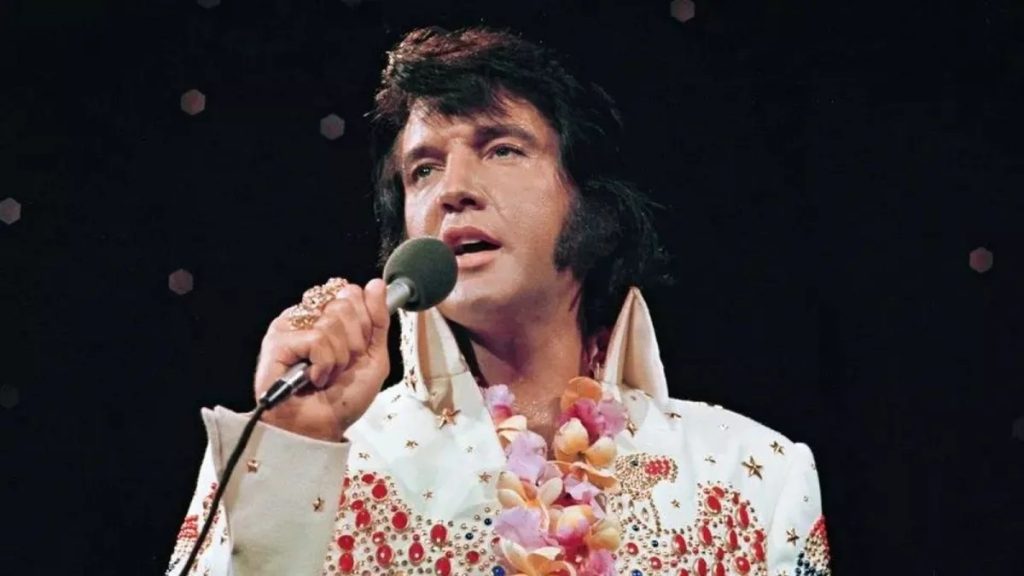
Few names in entertainment history carry the weight of Elvis Presley. Known as the “King of Rock and Roll,” he revolutionized music, film, and pop culture. Yet, behind the fame lies a financial story that is far more complex than most people realize.
When people search for elvis presley net worth, they’re often surprised to learn that despite earning hundreds of millions during his lifetime, Elvis died with relatively modest wealth. Today, however, his estate generates tens of millions annually—making him one of the highest-earning deceased celebrities in the world.
So how did this transformation happen? And what does it reveal about wealth, legacy, and financial management?
Elvis Presley Net Worth at the Time of His Death
When Elvis died in 1977, his estimated net worth was around $5 million (equivalent to roughly $25 million–$30 million today, adjusted for inflation).
Why Was It So Low?
Despite massive success, several factors reduced his wealth:
- High spending on luxury homes, cars, and travel
- Generous financial support to family and friends
- Costly touring and lifestyle expenses
- Unfavorable management contracts, particularly with his manager Colonel Tom Parker
These financial decisions meant that Elvis did not retain as much wealth as his global fame might suggest.
Elvis Presley Estate Net Worth Today
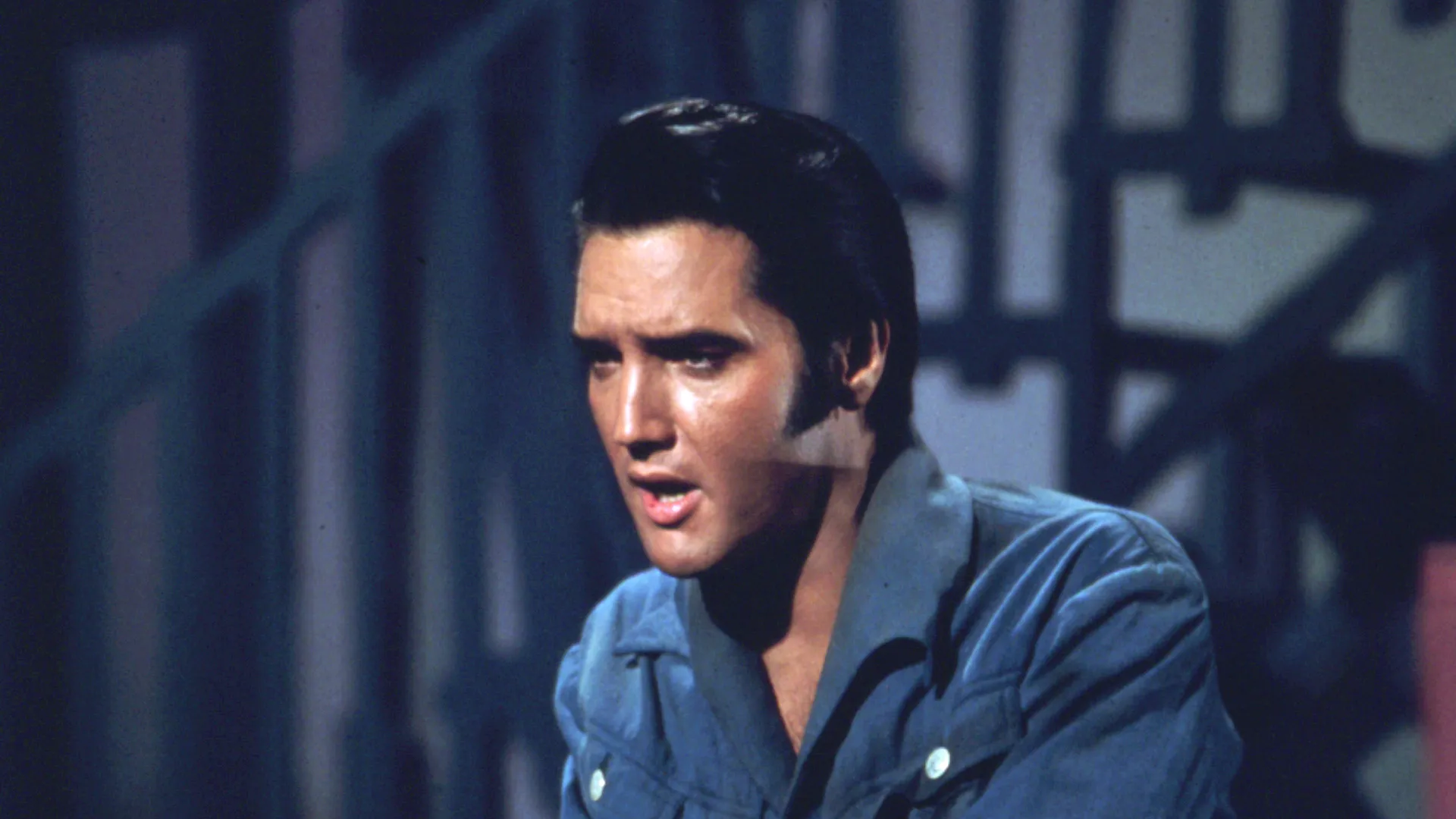
Today, the Elvis Presley estate is worth hundreds of millions of dollars, with annual earnings often exceeding $20–$40 million.
Key Asset: Graceland
Graceland, Elvis’s former home, is now one of the most visited private homes in the United States.
It generates revenue through:
- Ticket sales
- Merchandise
- Events and tourism
How Elvis Presley’s Estate Became a Financial Empire
1. Strategic Estate Management
After Elvis’s death, his daughter Lisa Marie Presley inherited the estate. With professional financial guidance, the estate was restructured and expanded.
2. Licensing and Branding
Elvis’s image and music are licensed globally for:
- Films and documentaries
- Commercials
- Merchandise
3. Music Royalties
His catalog continues to generate income through:
- Streaming platforms
- Album sales
- Radio play
4. Film and Media Revival
Movies like Elvis introduced him to new generations, significantly boosting revenue.
Career Timeline and Financial Journey
| Year | Career Phase | Financial Impact |
|---|---|---|
| 1950s | Rise to fame | Rapid income growth |
| 1960s | Film career | High earnings but costly productions |
| 1970s | Touring era | Strong revenue, high expenses |
| 1977 | Death | Modest net worth |
| 1980s–Present | Estate growth | Massive financial expansion |
Income Sources Then vs Now
During His Lifetime
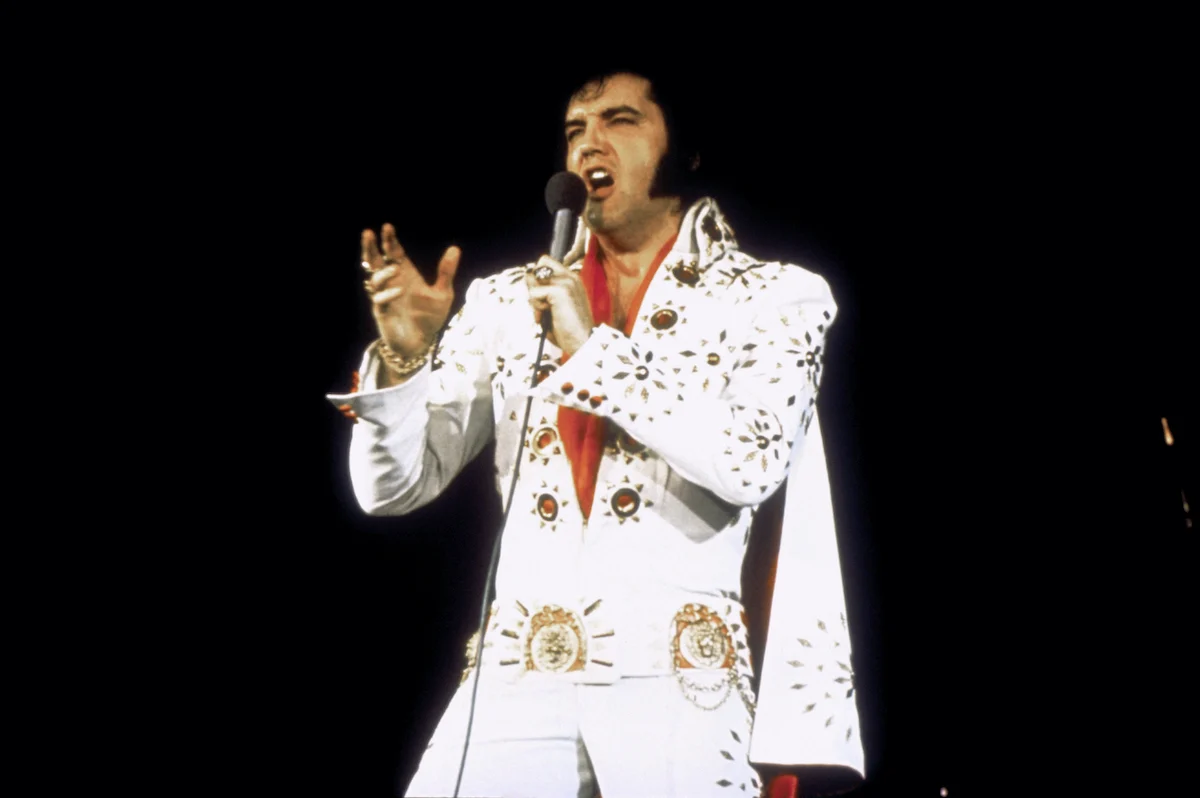
Elvis earned from:
- Record sales
- Concert tours
- Film contracts
However, much of this income was offset by expenses and management deals.
After His Death
The estate earns from:
- Licensing deals
- Tourism (Graceland)
- Streaming and royalties
- Brand partnerships
Why Elvis Presley’s Financial Story Matters
A Lesson in Wealth vs Income
Elvis earned enormous sums, but wealth depends on:
- Financial management
- Investment strategies
- Ownership of assets
The Power of Intellectual Property
His music catalog and image rights have proven more valuable over time than many of his original earnings.
Comparison: Living Wealth vs Posthumous Wealth
| Category | During Lifetime | After Death |
|---|---|---|
| Earnings | Extremely high | Consistent, growing |
| Expenses | Very high | Controlled |
| Net Worth | Relatively modest | Massive estate value |
What was Elvis Presley net worth when he died?
He was worth approximately $5 million at the time of his death in 1977.
How much is Elvis Presley’s estate worth today?
The estate is worth hundreds of millions and generates tens of millions annually.
Who owns Elvis Presley’s estate?
His estate was inherited by Lisa Marie Presley and is now managed by trusts and corporate entities.
How does Elvis still make money?
Through royalties, licensing, tourism, and merchandise.
Is Graceland profitable?
Yes, it is a major source of revenue and a top tourist attraction.
Conclusion
The story behind elvis presley net worth is not just about numbers—it’s about transformation. While Elvis Presley died with a relatively modest fortune, his estate has become one of the most successful financial legacies in entertainment history.
From the cultural impact of his music to the enduring appeal of Graceland, Elvis remains not only a symbol of artistic influence but also a powerful case study in posthumous wealth creation.
His story ultimately highlights a critical truth: earning money and building lasting wealth are not the same—and legacy, when managed wisely, can outgrow even the greatest careers.
FAQs
How rich was Elvis Presley at his peak?
He earned millions annually, but his net worth remained relatively modest due to high expenses.
Why didn’t Elvis Presley die wealthy?
Poor financial management and costly lifestyle choices reduced his wealth.
How much does Elvis earn per year now?
His estate generates around $20–$40 million annually.
What is Elvis Presley’s biggest asset?
Graceland and his music catalog are his most valuable assets.
Who profits from Elvis today?
His estate, managed by trusts and licensing companies.
Is Elvis still one of the richest dead celebrities?
Yes, he consistently ranks among the highest-earning deceased stars.
What can we learn from Elvis Presley’s finances?
That long-term wealth depends on management, ownership, and legacy planning.
Also Read: don johnson net worth
